APA Staff

Joint NGO Statement to Member States of the United Nations Human Rights Council

46th Session Your Excellency, We, the undersigned Iranian and international human rights organizations, call on your government to support the renewal of the mandate of the United Nations Special Rapporteur on the situation of human rights in Iran at the 46th session of the Human Rights Council. We also urge your government to use this […]

Joint NGO Statement to Member States of the United Nations Human Rights Council Read More »
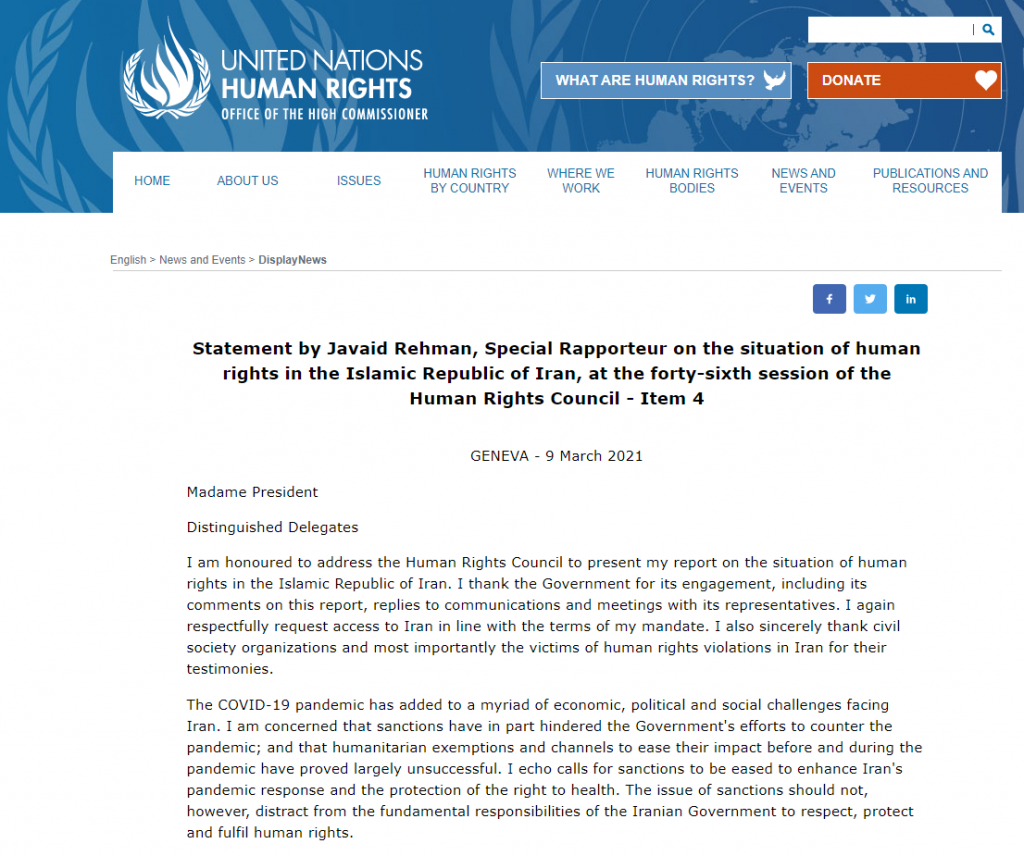
Statement by Javaid Rehman, Special Rapporteur on the situation of human rights in the Islamic Republic of Iran, at the forty-sixth session of the Human Rights Council – Item 4

GENEVA – 9 March 2021 Madame President Distinguished Delegates I am honoured to address the Human Rights Council to present my report on the situation of human rights in the Islamic Republic of Iran. I thank the Government for its engagement, including its comments on this report, replies to communications and meetings with its representatives.

Statement by Javaid Rehman, Special Rapporteur on the situation of human rights in the Islamic Republic of Iran, at the forty-sixth session of the Human Rights Council – Item 4 Read More »

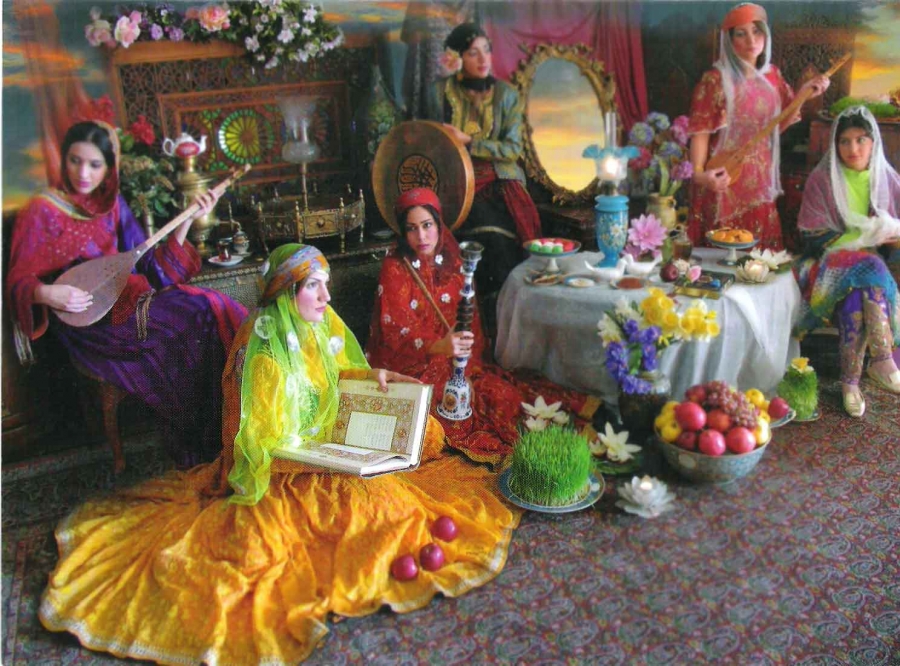
  Nowruz, meaning “The New Day” is the name of the Iranian New Year in the Solar calendar. It marks the first day of spring or Equinox. It is celebrated on the day of the astronomical Northward equinox, which usually occurs on March 21 or the previous/following day depending on where it is observed. The moment

Read More »

Several languages are spoken in different regions of Iran. The predominant language and national language is Farsi, which is spoken across the country. Azeri is spoken primarily in the northwest, Kurdish primarily in the west, Arabic primarily in the Persian Gulf coastal regions, Baluchi primarily in the east and Turkmen primarily in northern border regions.

Read More »

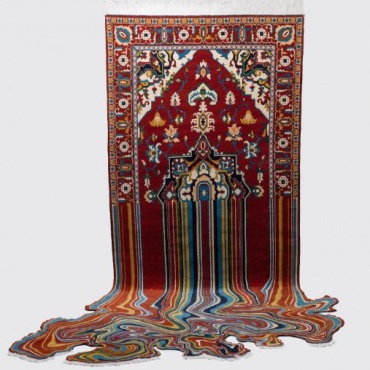
Iranians were some of the first people in history to weave carpets. First deriving from the notion of basic need, the Persian rug started out as a simple/pure weave of fabric that helped nomadic people living in ancient Iran stay warm from the cold, damp ground. time progressed, the complexity and beauty of rugs increased

Read More »

Zoroastrianism was the national faith of Iran for more than a millennium before the Arab conquest. It has had an immense influence on Iranian philosophy, culture and art after the people of Iran converted to Islam. Today of the 98% of Muslims living in Iran, around 89% are Shi’a and only around 9% are Sunni.This

Read More »

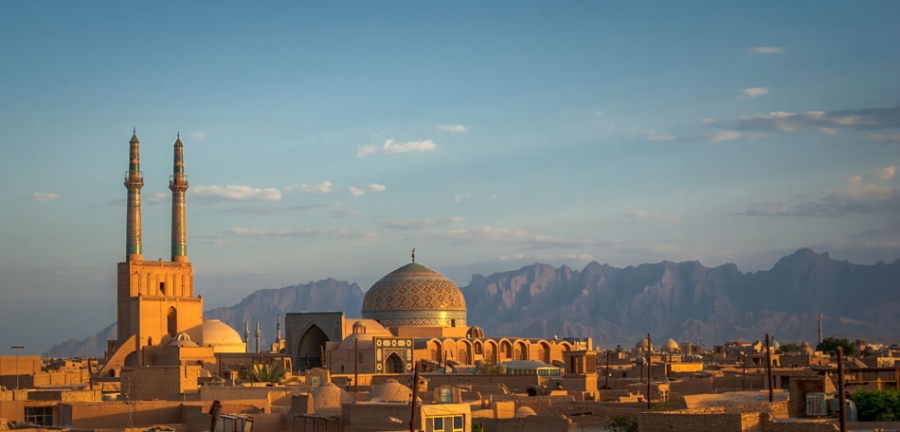
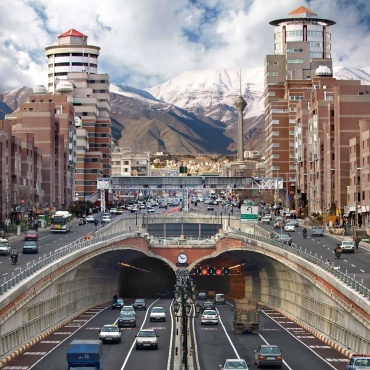
Tehran, the capital and largest city, serves as the cultural, commercial, and industrial center of the nation. Iran hosts Asia’s fourth-largest number of UNESCO World Heritage Sites. Iran is a founding member of the UN, NAM, OIC and OPEC.  The Persian Constitutional Revolution of 1906 established the nation’s first parliament, which was supposed to operate

Read More »

Iran, also known Persia, is in Western Asia bordered on the north by Armenia, Azerbaijan and Turkmenistan, with Kazakhstan and Russia across the Caspian Sea; on the east by Afghanistan and Pakistan; on the south by the Persian Gulf and the Gulf of Oman; on the west by Iraq; and on the northwest by Turkey.  

Read More »

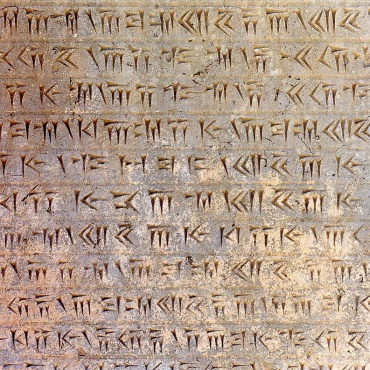
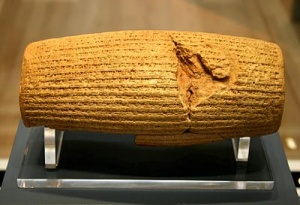
The Cyrus Cylinder is an ancient clay cylinder, now broken into several fragments, on which is written a declaration in Akkadian cuneiform script in the name of the Persia’s Achaemenid king Cyrus the Great.   The Cylinder has also been called the oldest known charter or symbol of universal human rights in the history of

Read More »

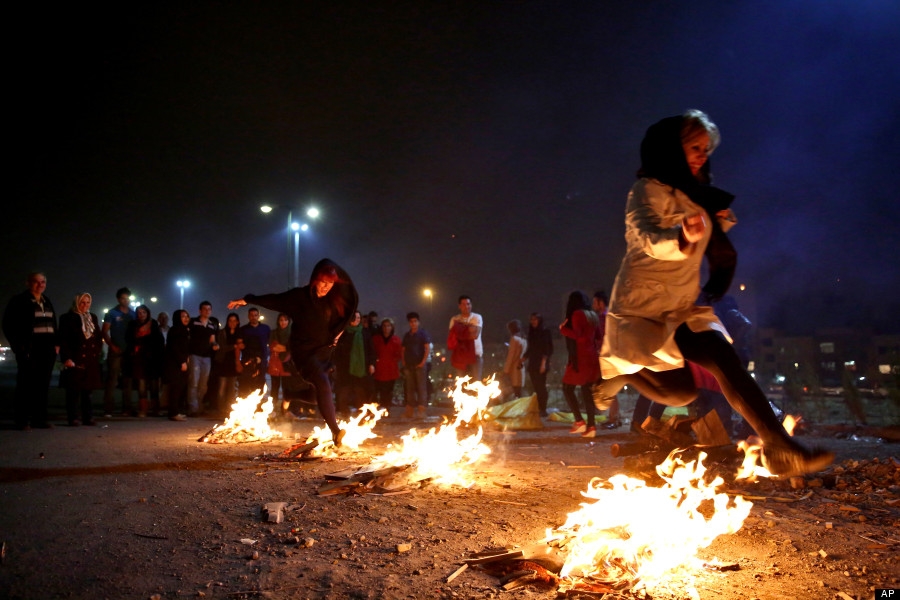
The night before the last Wednesday of the Persian year is celebrated by Iranians as Chahārshanbe Suri. Sur means feast, party or festival in Persian, and it is widely described as fire festival. This festival is the celebration of the light (the good) winning over the darkness (the bad); the symbolism behind the rituals are all

Read More »