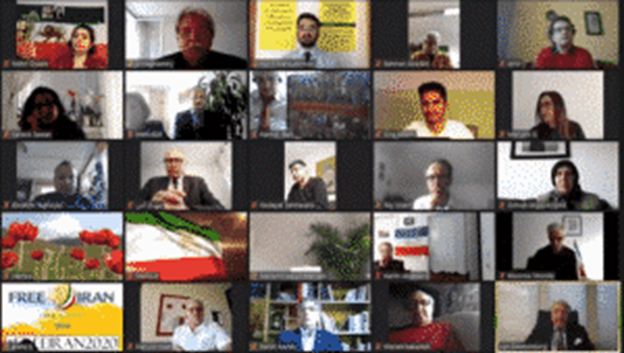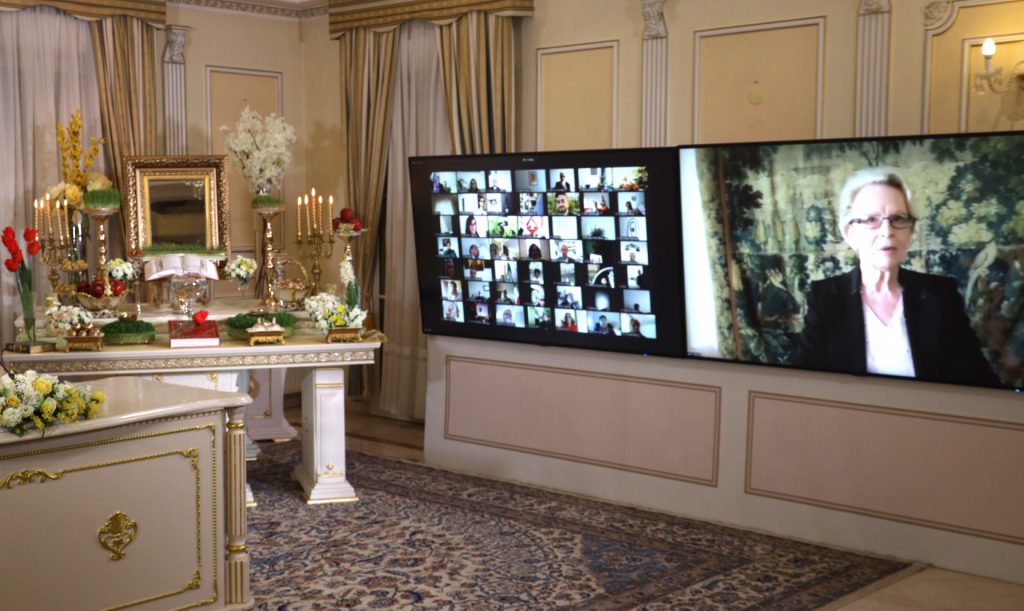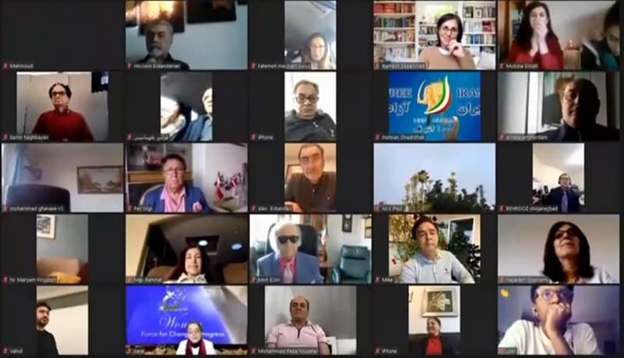
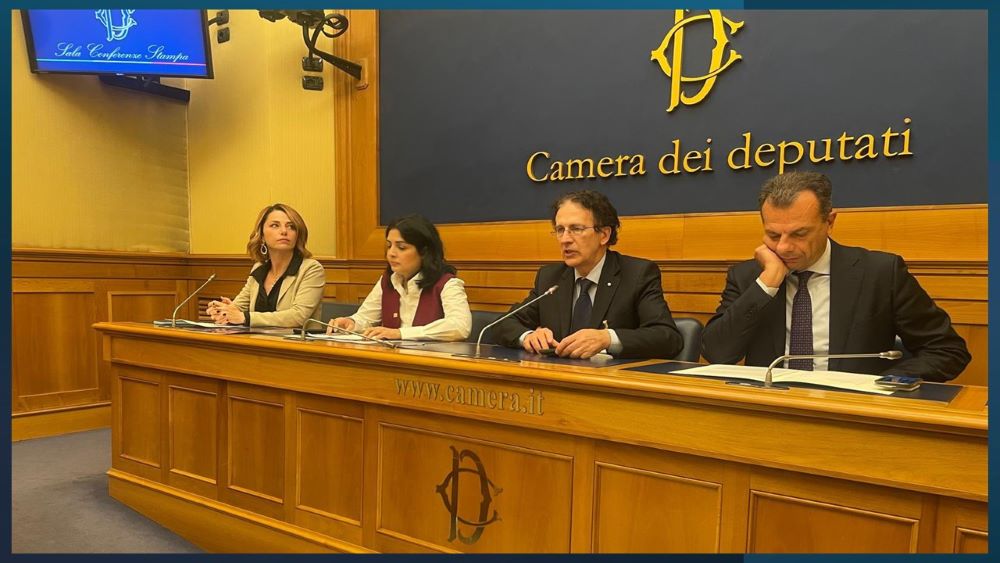
On March 21, 2025, the Italian Parliament hosted a conference titled “Iran on the Path to Change – Stop the Executions”, shedding light on Iran’s worsening human rights crisis and mobilizing political support for the Iranian people’s struggle for freedom and democracy. The event was organized by the Iranian Youth Association in Italy under the patronage of Fabio Rampelli, Deputy Speaker of the Chamber of Deputies, and chaired by Antonio Stango, President of the Italian Federation for Human Rights.
Opening the conference, Antonio Stango acknowledged the deepening crisis in Iran, which, he stated, now affects the entire society. Expressing optimism about the growing unrest, he emphasized that the regime’s foundations are weakening and urged the international community to recognize the momentum for change. His remarks highlighted the urgency of standing in solidarity with the Iranian people in their fight for justice and freedom.
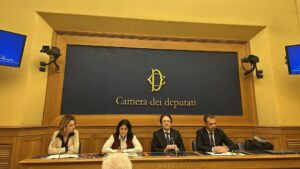
Senator Marco Scurria, Secretary of the EU Policy Commission in the Italian Senate, delivered a powerful message of solidarity. He stressed that support for the Iranian people transcends party lines, emphasizing bipartisan backing in Italy for Iran’s democratic resistance. Condemning the regime’s escalating execution rates as a national disgrace, he compared its inevitable downfall to the sudden collapse of the Berlin Wall—suggesting that a similar moment of historic liberation is approaching for Iran.
Human rights advocate Azar Karimi addressed the regime’s systematic use of hostage-taking and blackmail diplomacy, citing the controversial releases of convicted criminals Assadollah Assadi and Hamid Noury as dangerous precedents that encourage further executions, terrorism, and repression. She condemned the impunity enjoyed by regime officials responsible for crimes such as the 1988 massacre of political prisoners, the assassination of Dr. Kazem Rajavi, and the murder of Mohammad Hossein Naghdi in Rome. Azar Karimi argued that international inaction has emboldened the regime and that accountability—not appeasement—is the only effective response.
Ghazal Afshar, representing the Iranian Youth Association, highlighted the lasting impact of the 1988 massacre, described by Amnesty International as an ongoing crime against humanity. She pointed out that many of the perpetrators remain in power today. Afshar also praised the leadership of women in Iran’s resistance, particularly the “No to Executions Tuesdays” campaign in prisons. Echoing the rallying cry “Woman, Resistance, Freedom”, she celebrated Maryam Rajavi’s decades-long advocacy, which has inspired generations of Iranian women to fight for their rights under one of the world’s most oppressive regimes.
The conference concluded with a strong message of unity and determination. Italian parliamentarians, human rights defenders, and members of the Iranian diaspora reaffirmed their commitment to ending the regime’s execution spree, holding its leaders accountable, and supporting the Iranian people in their pursuit of a free and democratic Iran.