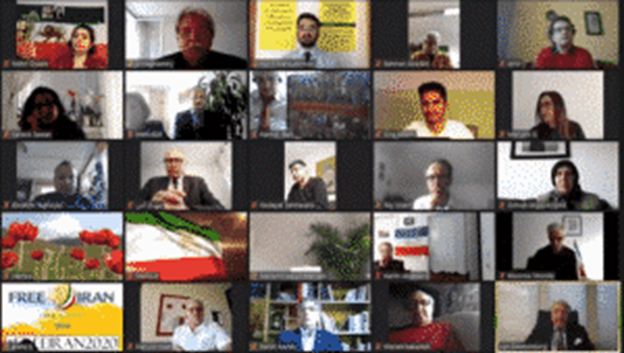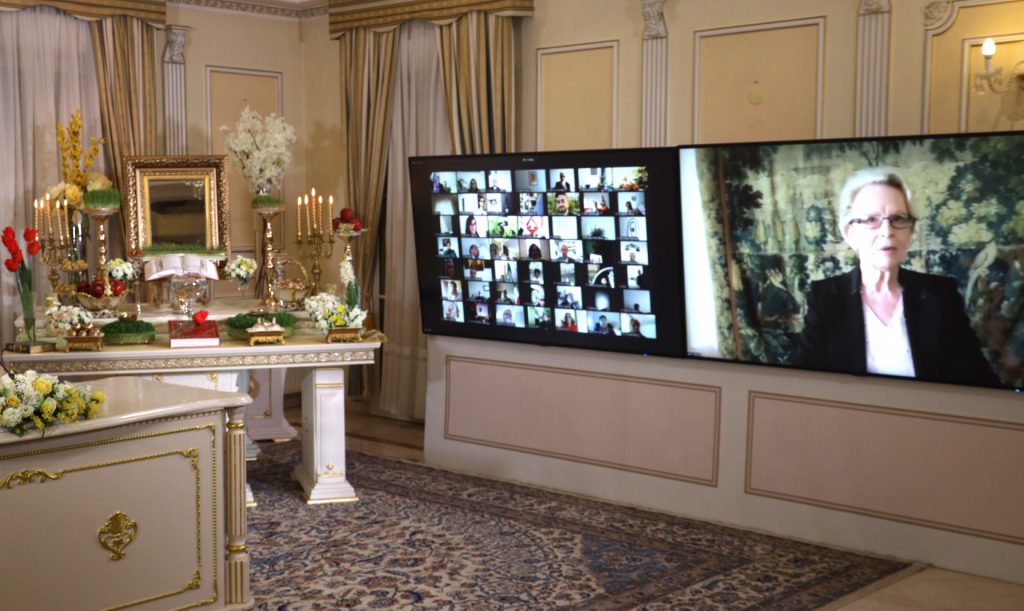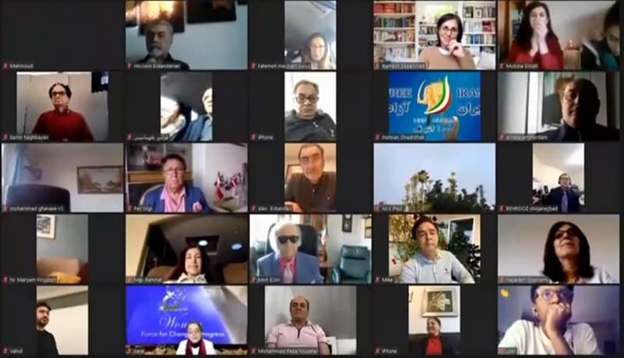
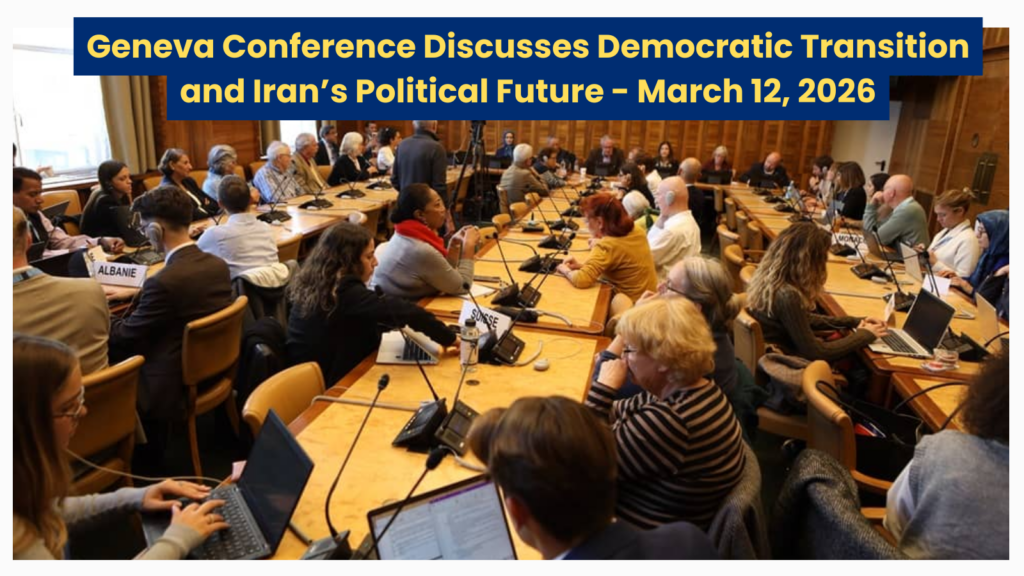
Geneva, Switzerland — March 12, 2026: Members of the Iranian community, human rights advocates, and international figures organized a conference in Geneva to discuss the human rights situation in Iran, political repression, executions, and possible pathways toward a democratic future.
The conference, held at the United Nations European Headquarters in Geneva, featured remarks by Maryam Rajavi, President-elect of the National Council of Resistance of Iran (NCRI), as well as European political figures, representatives of Kurdish political groups, and former political prisoners. The event addressed the continuing repression of political opponents, the use of the death penalty, and concerns about the future of political freedoms in Iran.
A Democratic Republic and Human Rights
In her address, Maryam Rajavi presented the NCRI’s Ten-Point Plan as a proposed framework for Iran’s future. The plan calls for a democratic republic, separation of religion and state, equality of citizens, and rights for Iran’s ethnic and religious communities. Rajavi also called for international attention to political prisoners and for those responsible for human rights violations in Iran to face justice through international mechanisms or universal jurisdiction.
Rajavi also emphasized the position expressed by the NCRI under the slogan “No to Shah, No to the Mullahs,” presenting the proposed political system as an alternative to both hereditary monarchy and the current theocratic system.
Concerns Over Repression and Political Prisoners
Speakers at the conference highlighted concerns about executions and the treatment of political prisoners in Iran.
Behzad Naziri, an NCRI member and former political prisoner, spoke about prisoners facing death sentences in connection with their alleged membership in the People’s Mojahedin Organization of Iran. He called for greater international attention to the situation of political prisoners and activists.
Participants also discussed the situation of ethnic and religious minorities. Fariba Mohammadi, representing the Komala Party of Iranian Kurdistan, called for equal political rights for Iran’s diverse communities and argued that any future political framework should recognize the rights of ethnic and religious minorities.
Speakers Discuss Iran’s Political Future
Former European Parliament member Struan Stevenson spoke about the risks of replacing one authoritarian system with another. He argued that Iran’s future should not return to either monarchical or religious authoritarianism and supported the principle of a democratic alternative.
Historian and former member of the Grand Council of Geneva Erika Deuber Ziegler also addressed Iran’s political transition and women’s participation in the organized opposition. She expressed support for a democratic alternative and emphasized the prominent role of women in the Iranian resistance movement.
A Message from the Iranian Community
For Iranian communities abroad, the Geneva conference provided an opportunity to bring international attention to human rights violations in Iran and to discuss a political future based on democratic institutions, equality, freedom of religion and belief, and respect for human rights.
Participants emphasized that political change in Iran should address both the immediate protection of political prisoners and the longer-term establishment of a system in which citizens can determine their country’s political future through democratic processes.
The conference concluded with calls for greater international attention to executions, political imprisonment, and accountability for human rights violations in Iran.