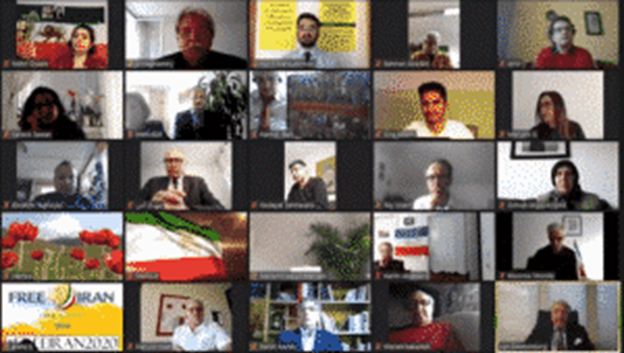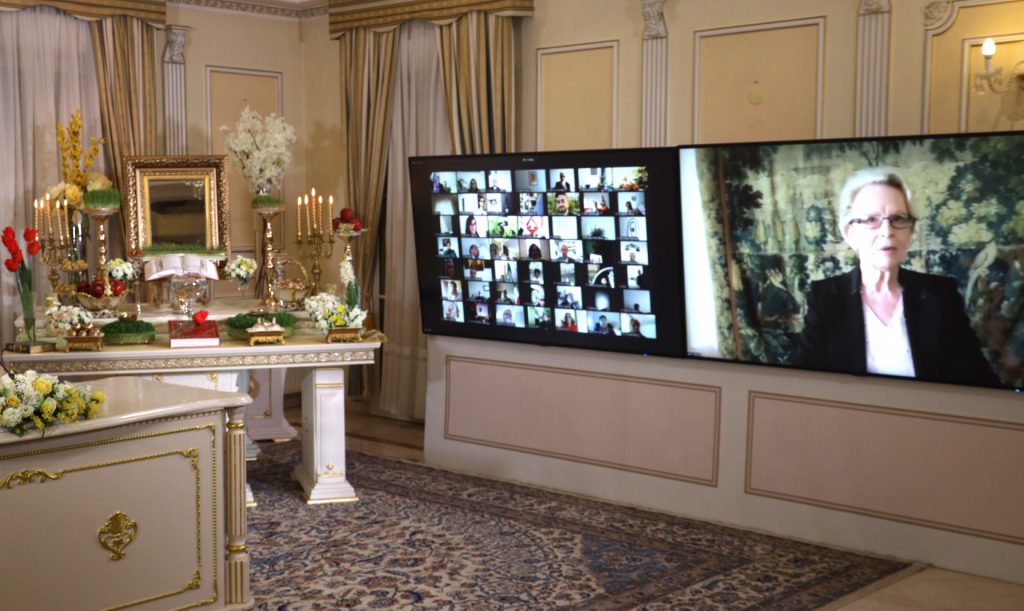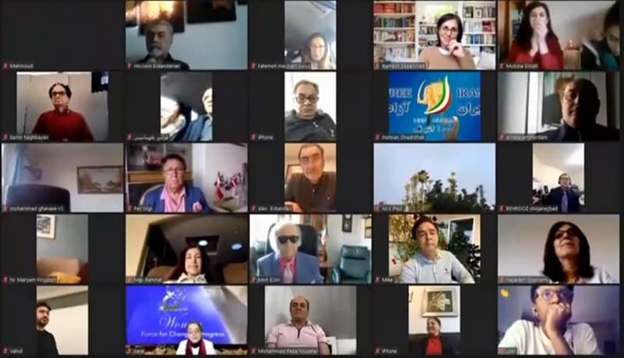
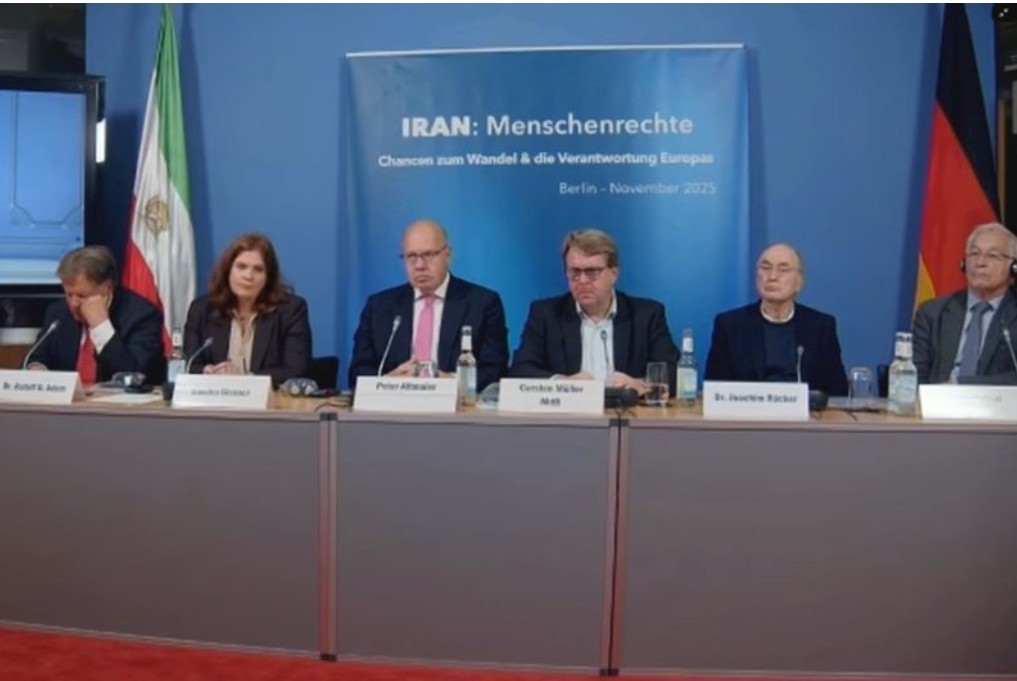
In a remarkable show of cross-party solidarity, German parliamentarians, former ministers, senior diplomats, and human rights advocates gathered in Berlin on November 5, to address the worsening human rights crisis in Iran.
The conference focused on the Iranian regime’s alarming surge in executions and urged a decisive shift in international policy — away from appeasement and toward supporting the Iranian people’s demand for a free and democratic republic. Participants unanimously condemned Tehran’s brutality, describing it as a desperate attempt to suppress growing public dissent.
Mr. Carsten Müller, Chair of the Bundestag Committee on Legal Affairs, opened the conference by highlighting the regime’s intelligence operations in Germany and called for decisive action. “There are extensive intelligence activities of the Iranian regime in Germany,” he warned, urging the designation of the IRGC as a terrorist organization. He dismissed concerns about post-regime instability, asserting: “Honestly, it practically cannot get any worse. We must do everything possible to enable the Resistance to successfully oppose the regime.”
Former Federal Minister Peter Altmaier underscored that Iran is “as alone and isolated as never before.” Calling the clerical system “the cruelest regime in the world.”
Dr. Joachim Rücker, former President of the UN Human Rights Council, warned that Iran has entered a “new, extremely dark phase,” with over 1,400 executions since early 2025. He said, “The death penalty is being used more and more systematically as an instrument of power.”
Bundestag Member Detlef Seif expressed deep respect for the Iranian people’s struggle, reaffirming that “the dignity of man is inviolable.” He vowed to push for the IRGC’s terrorist designation within his parliamentary committee and emphasized: “It is unacceptable that people are killed because they have a different opinion.”
Dr. Rudolf Adam, former President of the Federal Academy for Security Policy, emphasized that regional peace is impossible without change in Iran. “Anyone who wants to give peace a chance must start in Iran,” he said, warning that suppression of peaceful change will only invite violent upheaval.
Former Ambassador Dr. Ulrich Seidt cited a joint declaration by 14 Western nations condemning Iran’s plots to kidnap and kill dissidents in Europe and North America. He demanded concrete action beyond words: “The Federal Government is obliged to take active steps and not just issue declarations.”
Bundestag Member Alexander Engelhard commended the courage of Iranian activists who continue their protests regardless of weather or danger. “It is impressive how these people risk their lives for freedom,” he said, pledging full solidarity with their cause.

Former Bundestag Member Thomas Luetze criticized the German media for failing to cover Iran’s executions, noting that a recent program discussed sanctions without mentioning human rights. “It must be headline news that Iran executes more people than all other countries combined,” he said.
Members of the Iranian community in Germany shared powerful testimonies of loss, persecution, and perseverance.
Hanif Mahoutchian, a law graduate whose relatives were executed, detailed the regime’s espionage and threats against activists in Germany.
Sahar Sanaei, a psychotherapist, recounted losing her father and two uncles to the regime’s executions.
Sanya Mohammadi, a 22-year-old activist, spoke of the hope inspired by the Iranian Resistance despite ongoing repression.